

Contributions from abroad
-

From Eating to Viewing: The Mukbang Phenomenon and the Digital Representation of Food
Food is the driving force of the human material dimension. Historically, food has always been more than a biological necessity.…
Leggi tutto → -
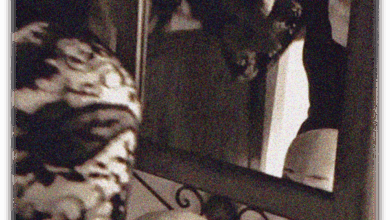
Alopecia and Reflection: The Wig as an Embodied Form of Existence
Un contributo che esplora l’esperienza dell’alopecia femminile come fenomeno esistenziale, analizzando il corpo vissuto tra vulnerabilità biologica e pressione sociale,…
Leggi tutto → -
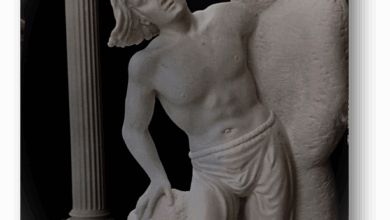
Between Matter and Dream: Sculpture as Truth
Sembrava una forma scolpita nella luce,ma era la vita, che non avevamo saputo vedere. “Precious is sleep, better to be…
Leggi tutto → -

The duality of the subject’s corporal identity in theater art: the embodiment of the actor as Being and as potential Being (pt. II)
Albert Camus in his work “The Myth of Sisyphus” (Le Mythe de Sisyphe) points out that the theatrical symphony is…
Leggi tutto → -

The duality of the subject’s corporal identity in theater art: the embodiment of the actor as Being and as potential Being.
From the beginnings of human societies the question “Was ist der Mensch“, founded centuries later in Kant’s philosophy, has motivated…
Leggi tutto → -

Human existence as a revelation of the invisible and the stake of beauty (Inspired by Oscar Wilde’s play “The Picture of Dorian Gray”) – Part II
The Role of the Portrait: Mirror, Revelation, and Artistic Risk The portrait is a visible symbol of all the modalities…
Leggi tutto → -

Human existence as a revelation of the invisible and the stake of beauty (Inspired by Oscar Wilde’s play “The Picture of Dorian Gray”) – Part I
Beauty is a form of Genius. […] It has divine right of sovereignty1 These words of Oscar Wilde through the…
Leggi tutto → -
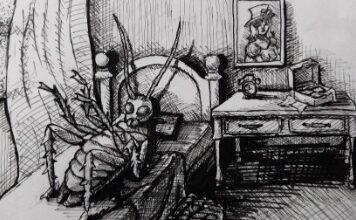
The embodiment of inspiration as metamorfosis (in the work of Franz Kafka). Part 2
La seconda parte di un interessante contributo alla fenomenologia della corporeità, attraverso le opere di Franz Kafka, a cura di…
Leggi tutto → -
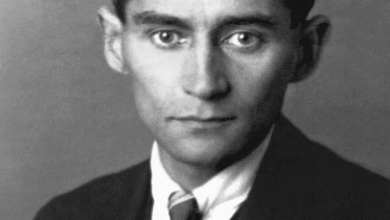
The embodiment of inspiration as metamorfosis
Un contributo alla fenomenologia della corporeità, attraverso le opere di Franz Kafka, a cura di Thomae Ragia
Leggi tutto → -

Phenomenological Dimensional Approach in Psychiatry
La psichiatria contemporanea vive una vera e propria “crisi della classificazione” dovuta anche alla debolezza delle categorie diagnostiche del sistema…
Leggi tutto →
